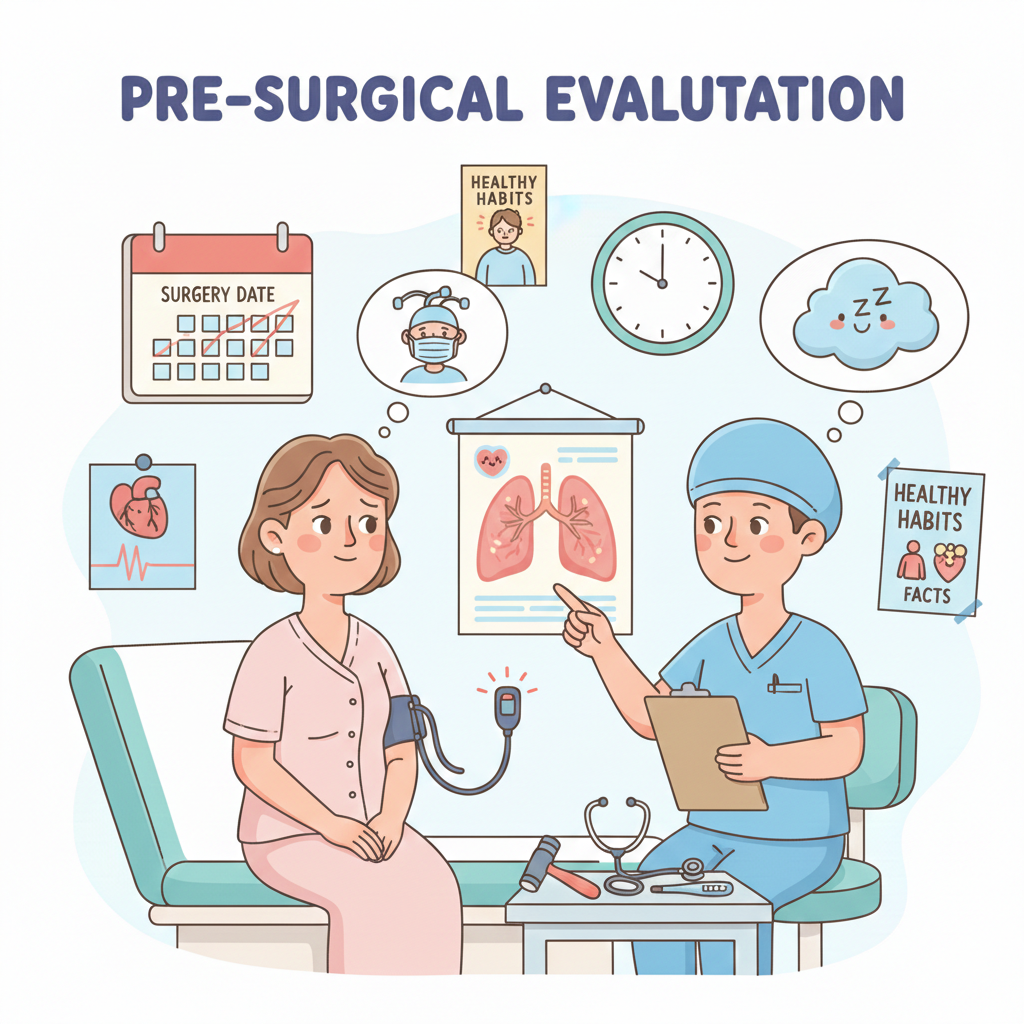
So you’ve been advised surgery. This is often a scary thought and the process itself is daunting with navigating hospitals and insurance providers, family and the healthcare workers.
The preoperative period at least from a surgeons perspective is to identify any factors that may complicate the surgery or worsen its outcome.
This would include a thorough history of past illnesses/surgeries. The presence of associated diseases like diabetes, hypertension, thyroid disorders or heart disease to name a few, we would also look at all current medications to see if any of them would need to be stopped or modified prior to surgery.
The next are the routine tests. These vary from patient to patient and hospital to hospital but largely the tests would include – a complete blood count – this looks at hemoglobin, total red blood cells, white blood cells and platelets, basic biochemistry – kidney and liver function, bleeding and clotting times ( including somethings called prothrombin time and activated partial thromboplastin time) and of course blood group and type.
While these are the standard tests, some additional blood work is often required depending on the patient’s health profile.
A standard urine examination is done to rule out any latent infection and similarly a chest X-ray to make sure that the lungs are looking clear. Finally, the heart is evaluated with an ECG and in older patients an echocardiogram as well.
In some cases consults from other specialties like cardiology, pulmonology, endocrinology, etc, maybe needed especially in the case of preexisting diseases. This is done to ensure that the risk of adverse events during or following surgery is minimal and all parameters are optimized to the best possible extent.
Finally if all is well you may be asked to come in either a day before the planned surgery or even on the morning of the procedure itself. Most procedures will require a 6 to 8 hour fast, though some medications are permitted with sips of water.
As a patient, there are somethings you can do to minimize the risk of post op complications especially infections. The foremost would be to quit smoking. At least 8 weeks before a planned procedure and to stay off tobacco even after. The next important thing would be to have diabetes under control. Most elective procedures would be deferred in case the HbA1c, which looks at how well controlled diabetes is, is over 10 (it should be under 8, at least, under 7, ideally). The third is, of course, personal hygiene.
Do not hesitate to ask your surgeon any questions you may have regarding the procedure, the preoperative workup or potential risks and complications. All the best!